




Intentional, well-maintained treescapes are one of the most impactful ways to achieve this. Trees are not just aesthetic enhancements. When thoughtfully planned and properly supported, they are infrastructure. They influence safety, wellness, accessibility, environmental performance, and even institutional perception. And for campus leaders looking to build resilient, adaptable environments, treescapes offer a rare combination of immediate visual impact and long-term return.
The Impact on Student Experience
Take a walk around any memorable campus, and you’ll notice a common thread: tree-lined paths, shaded quads, and inviting green spaces. These aren’t accidental. They are the result of deliberate planning that recognizes trees as foundational to the campus experience.
Outdoor spaces strongly influence how students and visitors perceive a campus. Treescapes create welcoming environments that support well-being, engagement, and usability. When properly planned, treescapes build:
Stronger first impression during campus visits
Access to shaded, comfortable outdoor spaces
Reduced stress and improved mental wellbeing
Increased opportunities to gather, study, and interact
In a competitive higher education landscape, these experiences directly support recruitment, retention, and campus identity.
Designing for Environmental Resilience
Trees play a critical role in campus functionality and long-term sustainability. Beyond enhancing appearance, they contribute to:
Reducing heat island effects and moderating temperatures
Managing stormwater runoff
Improving air quality
Reducing noise pollution
Defining walkways, entrances, and gathering spaces
For facilities teams and campus planners, this means trees should be treated with the same level of consideration as sidewalks, lighting, and drainage systems. They are not decorative add-ons—they are working assets.
Designing for Longevity, Not Just Installation
Planting trees is only the first step. The real challenge—and opportunity—lies in designing systems that allow those trees to thrive for decades.
Too often, campuses invest in planting initiatives without fully considering long-term maintenance and protection. The result? Trees that struggle to grow, damaged root systems, or infrastructure conflicts that lead to premature removal.
Future-proofing requires a shift in mindset: from short-term installation to long-term performance.
Key considerations include:
1. Root Zone Protection
Healthy trees depend on healthy root systems. In high-traffic campus environments, roots are often compacted by foot traffic, vehicles, or construction.
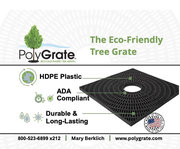
Solutions like tree grates that protect the root zone—while still allowing for pedestrian access—are essential.
2. Pedestrian Safety and Accessibility
Campuses must meet accessibility standards while maintaining safe walking surfaces. Tree installations should integrate seamlessly with surrounding pathways to eliminate trip hazards and ensure ADA compliance.
This means prioritizing:
Flush, stable surfaces
Consistent spacing and materials
Durable systems that won’t shift over time
3. Material Durability
Outdoor environments are demanding. Freeze-thaw cycles, UV exposure, and heavy use can degrade traditional materials quickly.
Selecting long-lasting, low-maintenance materials, such as HDPE recycled plastic, reduces lifecycle costs and ensures that infrastructure continues to perform without constant repair or replacement.
4. Growth and Expandability
Healthy, enduring trees require more than just soil; they need the physical space and structural protection for their root systems to flourish. Implementing tree grate systems that offer effortless expandability—requiring minimal tools for adjustment—provides a strategic, long-term solution that allows campus trees to grow safely and robustly without compromising surrounding infrastructure.
Planning for the Next 20–50 Years
Future-proofing a campus means thinking beyond immediate needs. It requires asking:
Will these trees still thrive decades from now?
Will this infrastructure hold up under increasing usage?
Can these systems adapt as the campus grows and changes?
Are we investing in solutions that reduce long-term costs, not just upfront expenses?
Treescapes, when done right, answer all of these questions positively. They are one of the few investments that appreciate in value over time—both financially and experientially.
A Call to Rethink Campus Priorities
It’s easy to focus on large-scale projects when planning for the future. New buildings, technology upgrades, and major renovations often dominate the conversation. But the spaces in between—the walkways, courtyards, and green areas—are where daily campus life unfolds.
These are the spaces that shape perception, influence behavior, and create lasting impressions.
By elevating treescapes from an afterthought to a strategic priority, colleges and universities can:
Strengthen their identity and appeal
Support student wellbeing and engagement
Improve environmental performance
Reduce long-term maintenance costs
Build more resilient, adaptable campuses
Looking Ahead
The campuses that will thrive in the coming decades are those that balance innovation with intention. They will be places where infrastructure works quietly in the background—supporting safety, sustainability, and experience without demanding constant attention.
Treescapes are a key part of that equation.
They offer a way to invest in the future while delivering immediate, visible benefits. They connect people to place, soften the built environment, and create spaces that invite interaction and exploration.
At PolyGrate, we believe that the path to future-ready campuses runs through thoughtful, durable, and sustainable landscape infrastructure. By committing to the long-term success of your trees—and the systems that support them—you’re not just planting for today. You’re building a campus that will thrive for generations.