




For private colleges and universities, waste collection is part of a larger campus operations strategy. Trash and recycling receptacles must support daily student activity in residence halls, academic buildings, dining areas, athletic facilities, outdoor gathering spaces, alumni event spaces and public-facing facilities. The right system keeps spaces cleaner, supports sustainability goals, improves maintenance efficiency and helps preserve the look and feel of the campus.
The most effective waste programs begin with a simple idea: Receptacles are part of the campus infrastructure. They guide behavior, communicate standards and influence how people treat shared spaces.
A trash container near a building entrance may solve one immediate need, but it can create another if recycling is not placed nearby. A recycling container may be ignored if the opening does not match the material being collected. Outdoor containers may look appropriate when installed, then weather poorly if the material is not suitable for sun, rain, snow or heavy use.
Campus leaders should aim for visual consistency without forcing each space to use the same receptacle. A library, stadium concourse, residence hall lobby, dining area and outdoor quad have different requirements. Still, students and visitors should be able to recognize the system wherever they are. That requires clear labeling, colors and strategic placement across locations.
Here are tips that academic campuses should keep in mind when selecting waste and recycling systems for their spaces.
Plan Around Real Campus Behavior
Waste and recycling systems work best when they are designed around how people actually move through campus.
High-traffic areas need receptacles where disposal decisions are made: near entrances and exits, food-service areas, vending locations, event spaces, residence hall common areas, parking areas and outdoor pathways. If a visitor is forced to walk across a courtyard to find the right receptacle, the odds of proper disposal decline and the chances of littering increase.
Capacity planning also matters. A quiet academic corridor may need a different container than an athletics facility after a game or a student center during lunch. Overflowing receptacles create litter, odor issues, pest problems and negative impressions. They also force facilities teams into reactive cleanup instead of predictable maintenance.
Before updating receptacles, campuses should perform a comprehensive waste audit, review traffic patterns, collection schedules, event calendars and known problem areas. The best choice is not always the largest container; it is the container that fits the space, the waste stream, capacity need and the maintenance routine.
Multi-Stream Systems Support Sustainability Goals
Many campuses are upgrading basic trash and recycling collection to multi-stream systems that may include landfill waste, compost or mixed recycling such as paper, bottles and cans. These programs can support sustainability goals and reduce landfill-bound waste, but only when the system is easy to understand.
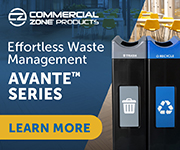
A strong multi-stream setup should feel unified. Containers should be physically grouped together for clear, efficient disposal of multiple items at a time. Decals and panels should be highly visible, simple and consistent, utilizing both words and icons. Receptacle colors, decals, lid shapes and openings should reinforce each stream to help users make faster decisions while also bypassing language barriers.
Unity is especially important on campuses because the audience changes constantly. First-year students, visiting families, conference attendees, contractors and alumni may all use the same spaces. The system cannot assume familiarity. It has to communicate quickly.
Capacity options matter here, too. A narrow multi-stream system may work well in a hallway where space is limited. A larger outdoor system may be necessary near a dining patio, campus green or stadium entrance. Modular multi-stream systems can help colleges adapt the number of streams and container sizes to each setting while keeping the overall look consistent.
Indoor & Outdoor Spaces Require Different Choices
Indoor receptacles are often selected for appearance, footprint and ease of maintenance. In academic buildings, residence halls and administrative spaces, leaders may prioritize clean lines, compact profiles and designs that align with interior finishes.
Outdoor receptacles face more demanding conditions. They must withstand harsh weather conditions, UV exposure and temperature swings. In some locations, they may also need to resist graffiti, dents, rust or movement from wind. Canopy lids can help protect contents from rain and snow, while larger capacities may reduce service frequency in high-use areas. Containers that utilize a flipper lid can keep water and pests out while preventing trash from blowing in windy conditions.
Material selection should follow the environment. Polyethylene can provide durability for many outdoor settings while resisting fading. Steel or stainless steel may be preferred where appearance, weight or architectural fit are priorities. Recycled plastic lumber can support durability and sustainability goals in outdoor gathering areas. Outdoor materials are not one-size-fits-all, and the best material depends on placement, exposure, expected use and maintenance capacity.
Durability is a Sustainability Strategy
Sustainability is often discussed in terms of recycling rates and landfill diversion, but durability deserves equal attention. A receptacle that needs frequent replacement creates more material waste, more procurement activity and more disruption for facilities teams.
Long-lasting materials can reduce total cost of ownership while supporting environmental goals. The EPA’s waste management hierarchy places source reduction and reuse above recycling, which makes product lifespan an important sustainability consideration. A durable receptacle helps reduce replacement cycles before recycling is even necessary. The right receptacles can also help your campus receive more points towards Leadership in Energy and Environmental Design (LEED) goals.
Maintenance should be part of the sustainability conversation as well. Receptacles that are easy to clean, easy to empty and appropriately sized for the location can reduce labor demands and help keep spaces looking cared for. Over time, those operational details can matter as much as the initial purchase.
Personalization Can Improve Clarity & Campus Fit
Personalization is often viewed as a branding feature, but for campuses, it can also serve a practical purpose. Logos, colors, decals and custom messaging can help receptacles feel integrated into the environment while making waste and recycling instructions clear and consistent.
A university may want receptacles that match campus colors or designs that reflect the space’s visual identity. Consistent designs that can be deployed across multiple buildings create a cohesive campus appearance.
Custom solutions can also help when standard products do not fully match the space. A historic campus, newly renovated student center or high-profile outdoor plaza may require a more tailored approach than a stocked solution can provide. The key is to use personalization and customization to support both appearance and function.
Questions to Ask Before Selecting Receptacles
Before purchasing, campus teams should consider these questions:
What waste streams are being collected now, and what streams may be added later?
Where are the highest-traffic disposal points?
Where are facilities teams frequently cleaning up litter?
Do indoor and outdoor spaces require different materials, lids or capacities?
Are trash, recycling and compost containers grouped in ways that make sorting intuitive?
Can panels or decals be understood quickly by students, staff and visitors?
Will the design hold up to weather, cleaning routines and heavy use?
Does the system support the campus’s sustainability, appearance and maintenance goals?
How may personalization help appearance and the on-campus experience?
Thoughtful trash, recycling and compost receptacle selections reduce visible litter to reinforce campus standards. With proper receptacle planning and regular evaluation, campuses can support sustainability goals and improve operational efficiency all while aligning with campus colors and branding.