



For private colleges and universities planning renovations or new construction, restroom design is a long-term investment. Decisions made during planning will affect both the student experience and the work of maintaining these spaces long after the project is complete.
Maintenance starts with design
Daily upkeep includes refilling soap and paper supplies, replacing batteries and parts, and making repairs. Water and energy use also add to ongoing costs. Throughout residence halls, libraries, academic buildings and recreation facilities, products that need frequent attention can create a considerable amount of extra work.
For colleges and universities, restroom design decisions extend beyond aesthetics to long-term facility performance. A Bradley Company survey found that 85 percent of architects identified easy-to-maintain and repair products as providing strong long-term value, and 84 percent cited durable, low-maintenance materials as essential. Although the survey focused on K-12 schools, these same priorities are highly relevant for higher education facilities, where restrooms experience heavy daily use and must support long-term operational efficiency.
Maintenance staff can offer helpful insight early in the design process. They know which products need repeated repairs, which dispensers are difficult to refill and which parts are hard to find. Their experience can help the team choose products that simplify upkeep.
A coordinated look throughout the restroom
Fixtures, partitions and accessories all contribute to a cohesive aesthetic in restrooms. Matching or complementary faucets and soap dispensers help tie the handwashing area together. Mirrors, grab bars, towel dispensers, waste receptacles and hooks in similar styles and finishes can create a unifying look throughout the space.
Accessories can have a noticeable effect on the finished space, especially when they are considered early in the design process. Rounded shapes, concealed mounting and smooth surfaces give the room a consistent look. Accessories should also be easy for staff to clean, refill and repair.
Restroom styles may vary across campus, from a historic academic building to a contemporary student center. Coordinated accessories can complement each setting while using similar operating mechanisms and replacement parts. This consistency makes maintenance procedures more familiar to staff and reduces the range of spare parts they need to keep on hand.
Dispensers that simplify daily upkeep
Even an attractive restroom falls short when students find empty soap or paper towel dispensers. Choosing dispensers that are easy to check and refill helps staff keep supplies available throughout the day.
Visible low-supply indicators help staff quickly spot dispensers that need refilling. Concealed magnetic locks provide access without a visible keyhole, maintaining a smooth exterior. Anti-slam features help keep open dispenser doors from striking and damaging nearby walls or accessories during refills.
Paper towel dispensers designed to limit jams and torn paper help keep towels available. Dual-roll toilet tissue dispensers that automatically advance a reserve roll help prevent runouts between maintenance rounds. Dispenser capacity also makes a difference, especially in busy student centers and event venues where supplies can run out quickly between scheduled checks.
Even waste receptacles can make upkeep easier. Bag retention rings help keep liners in place, while combination towel dispenser and waste receptacle units bring the two functions together in a coordinated design.
Convenient and reliable handwashing
Bradley’s 2026 Healthy Handwashing Survey™ of U.S. adults found that nearly 80 percent consider touchless fixtures important in public restrooms. Respondents also identified empty soap or paper towel dispensers and dirty or nonworking sinks among the leading reasons they skip handwashing. These findings show why reliable fixtures and consistent servicing matter to the people using the space.
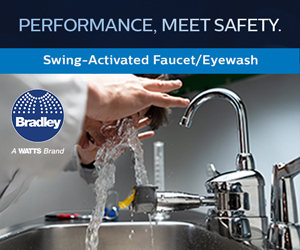
Sensor-operated faucets and soap dispensers reduce contact with shared surfaces and should be easy to activate. Reliable sensors, accessible batteries or power connections, and readily available replacement parts help keep these fixtures working. Routine checks of faucet activation, soap delivery and drainage can help staff catch problems before they disrupt use.
All-in-one handwashing fixtures combine touch-free soap, water and hand drying at the basin, allowing users to complete the process in one place. This arrangement helps contain water and reduces dripping on floors as people move to separate drying stations. Integrated drying can also reduce paper towel use and the work of restocking dispensers and emptying waste receptacles.
Soap refilling is another opportunity to simplify maintenance. Top-fill multi-feed soap systems, available with some all-in-one handwashing systems, supply multiple soap dispensers from one central tank. Staff can refill the tank from above the counter rather than accessing individual reservoirs beneath each sink, saving a lot of time. A larger shared tank can also reduce refill frequency, helping staff keep soap available in busy campus restrooms.
Privacy and durability in daily use
Students also need privacy and enough room to use the restroom comfortably. The Healthy Handwashing Survey found that nearly 70 percent of U.S. adults believe restroom stalls should provide more coverage, and 52 percent would like gaps around stall doors eliminated. Taller doors, smaller panel gaps and near- or full-height partitions can help address these concerns. Planning for accessibility at the same time helps ensure fixture and accessory locations allow for needed clearances and reach requirements.
Moisture- and impact-resistant partitions with durable hinges and latches help stalls hold up to heavy use. Occupancy indicators let people see which stalls are available. Designs with fewer floor supports make it easier to clean underneath, while secure hardware and replaceable parts help with ongoing upkeep.
Lavatory materials also affect cleaning and maintenance. Smooth, nonporous solid-surface or natural quartz materials are resilient and easy to clean. Some surfaces can also be repaired after wear or damage, helping extend their life.
Lasting value across campus
Before selections are finalized, walking through everyday cleaning, refilling and repair tasks can help confirm that the design will work as intended. Dispenser doors need room to open, parts need to be accessible for service, and floors need to be easy to reach for cleaning.
These practical details help protect the investment in a campus restroom. When coordinated design, privacy and reliable handwashing are supported by durable products and easy maintenance, colleges create spaces that serve students comfortably and help facility teams keep them looking good and working well for years to come.